
Our Aircraft
Meet the Direct Fly Alto N159G — our aircraft for one-on-one flight training at KPNE
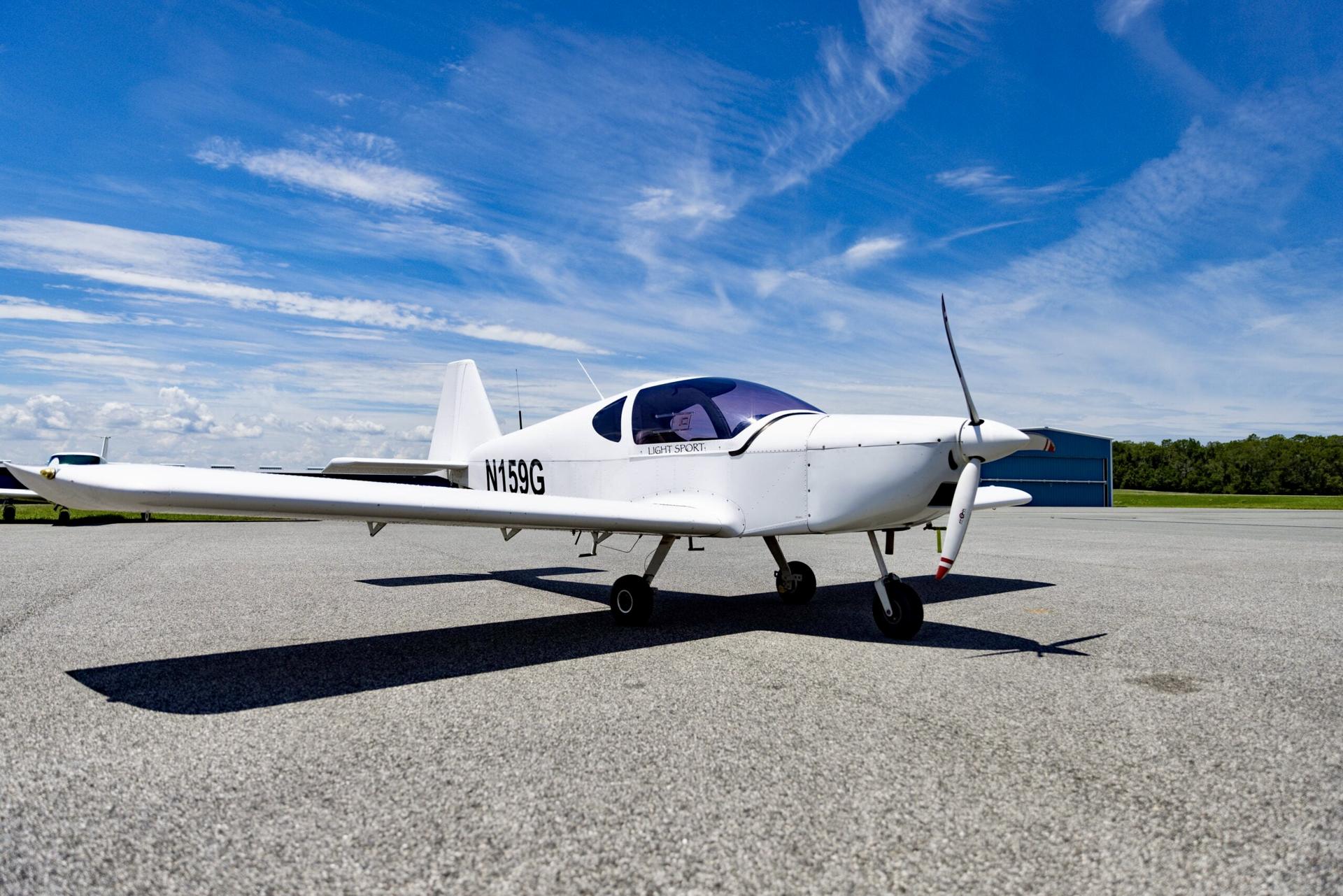
Direct Fly Alto N159G on the ramp, three-quarter exterior view
Direct Fly AltoN159G
Our Direct Fly Alto 912 TG is a two-seat, low-wing aircraft with dual control sticks and a Dynon glass cockpit. Sit beside your instructor and build your skills, from your first discovery flight through your flight training.
Northeast Philadelphia Airport Based
Side-by-Side Instruction
Two seats and dual controls keep you and your instructor working together
Dynon Glass Cockpit
See your flight information on the Alto’s Dynon SkyView displays
Aircraft rental and training availability from Northeast Philadelphia Airport
THE AIRCRAFT, UP CLOSE
Meet the Alto.
From every angle.
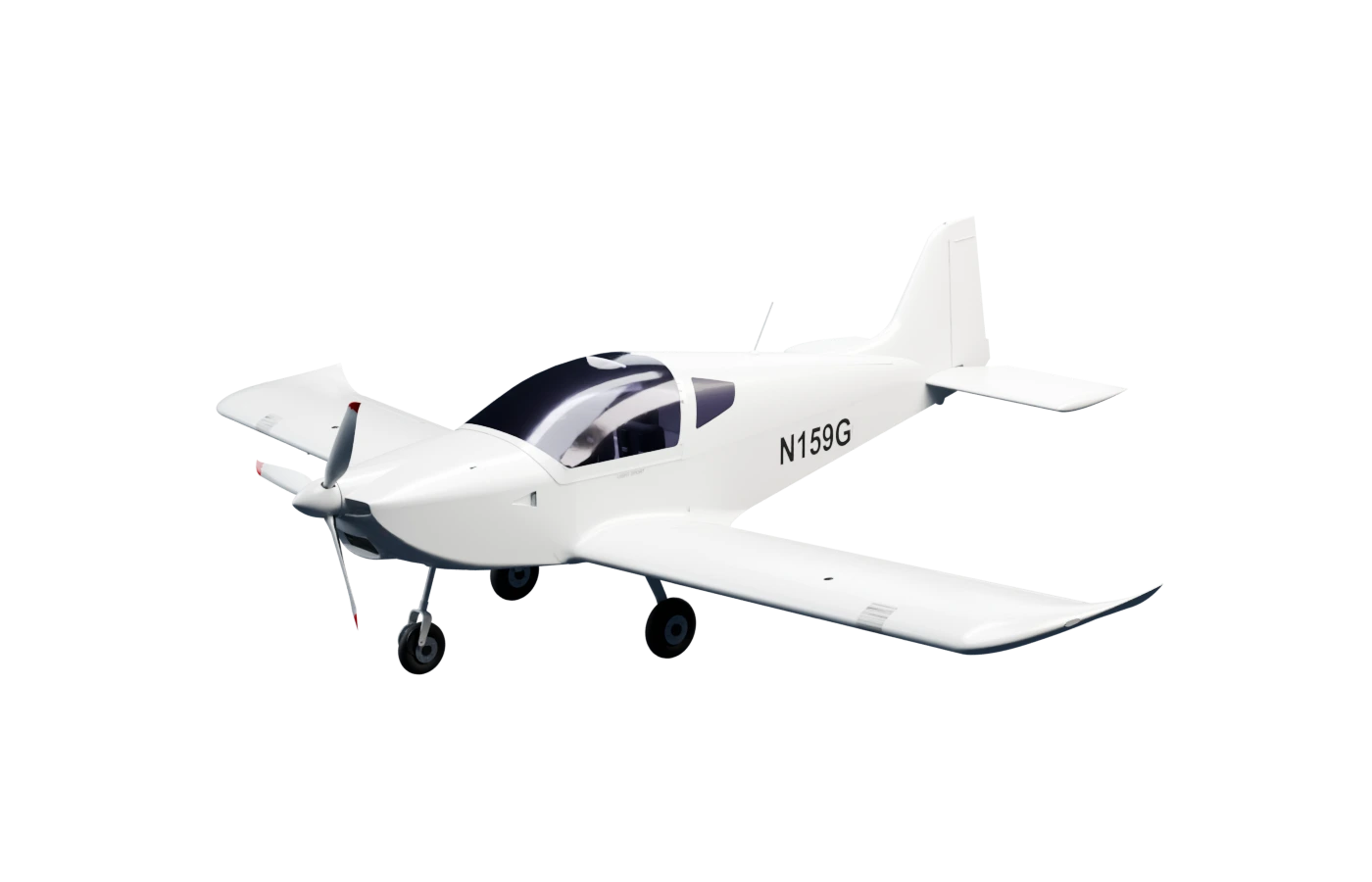
Explore the Alto from every angle. Select a detail to discover what it does.
YOUR NEXT PERSPECTIVE
Get to know your aircraft.
A two-seat aircraft. A clear view of the sky. Explore the components that come together for your flight training, from the power in the nose to the span of the wings.
Illustrative model based on ALTO geometry and N159G photographs. Some shapes and equipment details vary from the aircraft. View aircraft documents.
N159G by the numbers
Direct Fly Alto 912 TG specifications
These numbers come from N159G's own Pilot's Operating Handbook. Speeds are indicated airspeed in knots unless noted, and performance is at maximum weight on a standard day at sea level. Always fly by the POH in the airplane.
The airplane
- Make and model
- Direct Fly Alto 912 TG
- Category
- Special light-sport aircraft (S-LSA), built to ASTM F2245
- Seats
- Two, side by side, with a control stick at each seat
- Wingspan
- 26 ft 11 in
- Length / height
- 20 ft 2 in / 7 ft 5 in
- Max takeoff weight
- 1,320 lb
- Baggage
- 33 lb max
- Operations
- VFR only
Engine and fuel
- Engine
- Rotax 912 ULS, 100 hp for takeoff (5 min max)
- Max continuous
- 5,500 rpm
- Fuel capacity
- 27.2 US gal total, 24.2 usable
- Approved fuel
- Premium auto fuel (91 AKI, ASTM D4814) or 100LL avgas
- Fuel flow
- About 3.0 to 6.1 gal/hr at 4,200 to 5,500 rpm (3,000 ft)
Performance
- Cruise
- 97 to 106 knots true at 4,800 to 5,000 rpm (3,000 ft)
- Stall, flaps up / full flaps
- 41 / 35 knots (1,320 lb)
- Climb at 60 knots (Vy)
- 1,005 ft/min at sea level
- Takeoff, paved
- 361 ft ground roll, 820 ft over a 50-ft obstacle
- Landing, paved
- 299 ft ground roll, 1,201 ft from 50 ft
- Max demonstrated crosswind
- 12 knots
- Never-exceed speed
- 146 knots
Panel
- Displays
- Two 10-inch Dynon SkyView screens with synthetic vision
- Navigation
- WAAS GPS, plus a NAV/localizer/glideslope receiver
- Traffic and weather
- ADS-B In (UAT)
- Radios
- Two com radios, intercom, Mode S transponder
- Autopilot
- Dynon autopilot
- Backup power
- Two SkyView backup batteries
Why we train in a modern light sport airplane
Many flight schools still train in airplanes built decades ago. Here's what a newer, lighter trainer changes for you as a student.
You see more
A low wing and a large canopy give you a wide view forward and to the sides. At a busy towered airport like KPNE, spotting traffic early matters.
You learn on a modern panel
The SkyView shows your flight and engine information in one place, the way most new airplanes do. You still learn to fly by looking outside first.
It teaches real stick-and-rudder skill
A light airplane responds quickly to wind and gusts, so you learn crosswind technique and energy management properly, and early. Those skills carry to every airplane.
Your instructor sits beside you
Side-by-side seats mean your instructor can see your hands, point at the same screen and show you a control input instead of describing it.
Sport or private, it counts
N159G meets the sport pilot limits, so you can earn a Sport Pilot or a Private Pilot certificate in it, and your time counts toward either. If you later fly a Cessna or a Piper, you do a checkout in that airplane, as any pilot does when changing types.
How sport pilot training worksOne airplane, the same every lesson
You train in the same airplane every time, so you learn its checklists, numbers and feel instead of re-learning a different airplane each week.
Ready to Get Started?
Schedule a lesson or contact us to learn more about our fleet