
What Makes a Safe Pilot
Isaac Prestwich, CFII · November 9, 2026
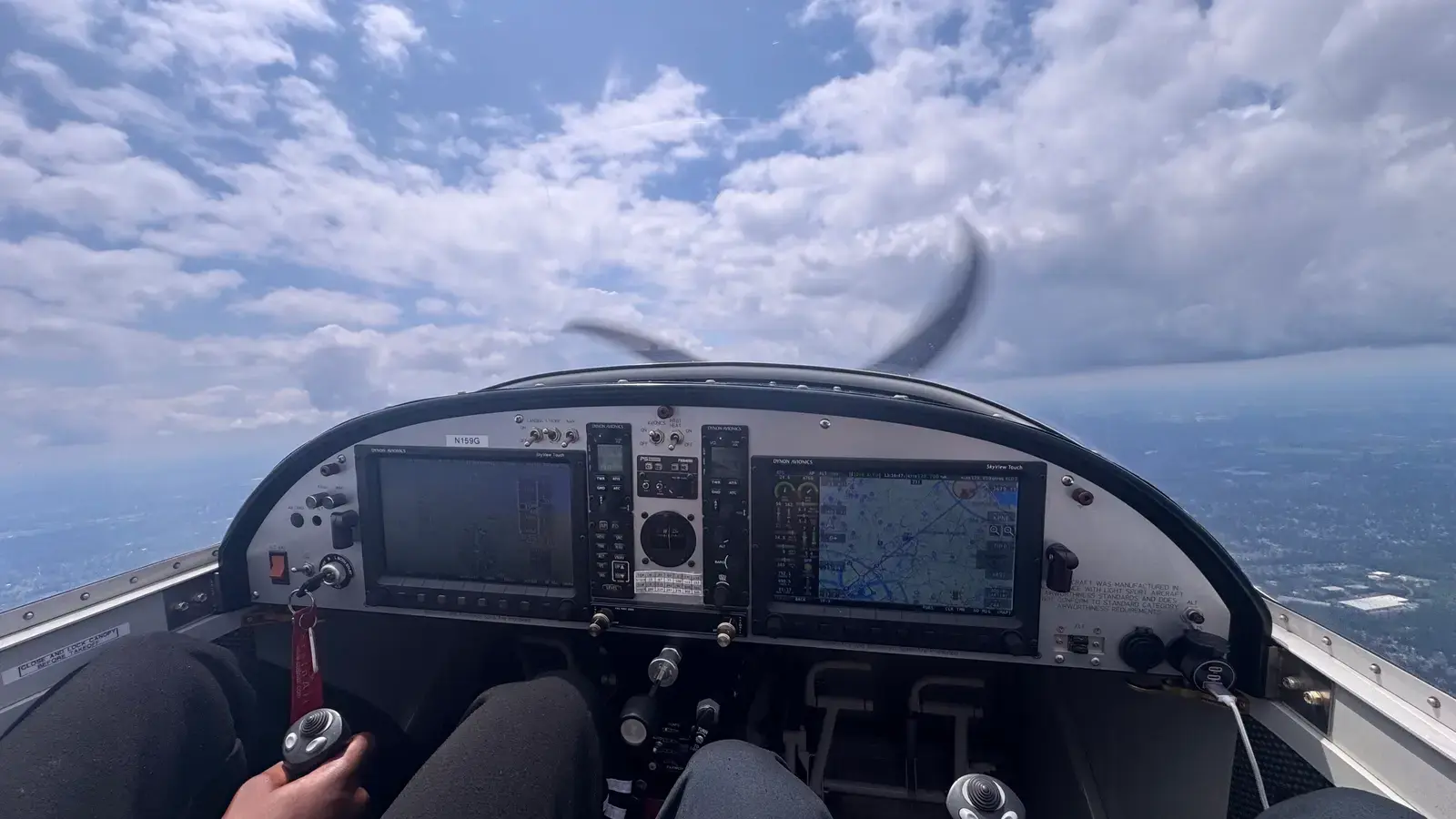
Throughout my years of flying, I have learned many aspects of what determines a safe pilot. When I first started my training in October of 2022, my instructor at the time—who now flies for the airlines—taught me the fundamentals of what it means to be a safe pilot.
Those early lessons laid the foundation for how I approach aviation today. As I continue to learn and grow in experience, I've come to realize that safety isn't just determined by the rules, but instead it is defined by mindset, discipline, and ability to manage risk. Through my own experiences and shared wisdom of other fellow aviators, I have identified a few key traits of what makes a safe pilot.
These principles have guided me throughout my training and career as a pro-pilot, and I will continue to rely on these concepts every time I step into the cockpit.
Weather Briefer
Not all pilots are meteorologists. A weather briefer is a professional who gives a synopsis on forecast weather conditions. Safe pilots understand they are most likely not professional meteorologists, so they will call ahead of their flight and get a weather briefing.
It's free and takes 10-15 minutes! This helps determine whether it is safe to fly, weather permitting.
Dial 1-800-WXBRIEF. Enter your state code to connect with a professional.
Pilots Are Human Beings Too
Have you ever tried to do something strenuous while sick? It can be difficult—simple tasks become burdensome. Now imagine being in an aircraft trying to do a plethora of tasks while sick. That's why pilots use the IMSAFE acronym before flights:
- Illness
- Medications
- Stress
- Alcohol
- Fatigue
- Emotion (and Eating!)
Paying attention to our body will pay back in the future, especially when flying.
Know the Regulations
The FAR/AIM (Federal Aviation Regulations and Aeronautical Information Manual) is lengthy—over 1200+ pages. Great pilots sit down, memorize the regulations, and then apply them to their everyday flying.
Some great starting points:
- 14 CFR 91.205: ATOMATOFLAMES
- 14 CFR 91.103: NWKRAFT
- 14 CFR 91.3: Pilot in Command Authority
Remember: All regulations have a reason—they may have possibly been written in blood.
Fly Safe
Overall, what makes a safe pilot is the preparation they take before the flight to be as prepared as possible. Besides the actual flying aspect, that's one way I have found that works for others in making a safe choice. I hope you all enjoyed this read and were able to get something from it.
As always, Fly Safe!
Want to train this way? Book a discovery flight or take the free pilot quiz.
Ready to try it yourself?